- Home
- Palms in U.S.
- Florida Palms
- Miami Palms
Miami Florida Palm Trees
Miami Florida is probably the most famous palm tree city in the United States.
Palms have become part of the city’s tropical identity. Miami’s warm, humid climate means a variety of palm species grow there. When we were there, we noticed it felt like a Caribbean island environment.
We'll help you discover the most common palm trees seen around Miami, why the city supports so many tropical species, how palms helped shape Miami’s image, and why urban planners later began rethinking the role of palms in South Florida landscapes.
Feeling overwhelmed by palm tree problems or confusing information?
You’re not alone! At Mission: Palm Trees, we help everyday palm lovers grow, care for, identify & enjoy palms without baffling jargon or exhausting research.
We do the Authentic Research by cross-checking botanical data, while making palm tree info interesting & more fun to know.
Why Miami Is Famous for Palm Trees
Miami’s tropical climate creates ideal palm-growing conditions
Miami has among the warmest climate zones in the US mainland. Many kinds of Florida palm species naturally do well year-round. Warm temperatures, ocean influence, high humidity, and long growing seasons create conditions similar to Caribbean and Central American areas.
Freezes are rare in the city. Miami can therefore support palms that may sometimes struggle during winter in northerly Florida climes.
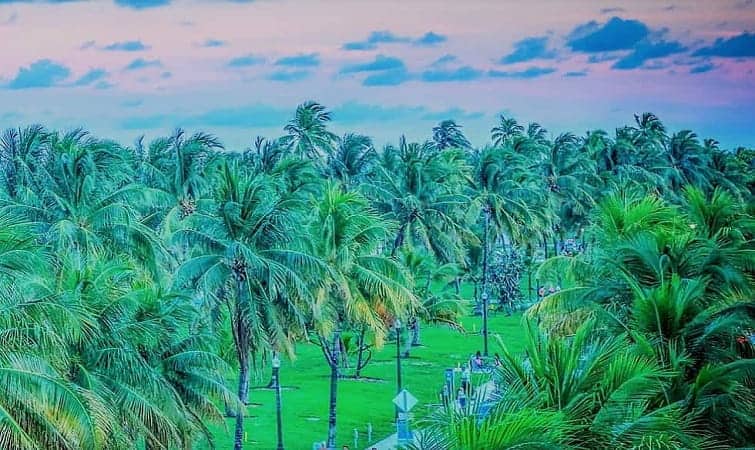 Palms love the Miami environment.
Palm Trees Became Part of Miami’s Identity
Palms started becoming part of the city's image in the late 1800s, when Henry Flagler built the Royal Palm Hotel.
By the 20th century, Miami had definitely become a resort destination. Along with city planning, developers planted rows of royal palms, coconut palms, and date palms on boulevards, at hotels, beaches, and in upscale neighborhoods.
Mission: Palm Trees is made possible by readers like you! Some links on this page are affiliate links. If you purchase through them, we may earn a small commission at no extra cost to you. Thanks for your support! Learn more>
Today, palms are still closely tied to the tropical appearance visitors expect from Miami.
The original 1897 Royal Palm Hotel was torn down around 1930 because of deterioration and severe termite damage. But not long after, in 1939, travelers could begin getting rooms in the currently open Royal Palm Hotel by the Beach.
The Most Common Palm Trees Seen in Miami
Palms naturally suited to Miami's weather and climate are typically those most common around Miami.
Coconut Palms
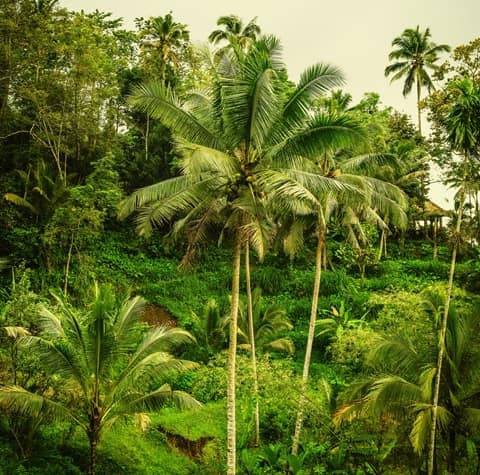 Cocos nucifera
Coconut Palms are about the most recognizable plants in Miami.
Their slightly curving trunks and flowing fronds create the classic beach scenery associated with South Florida. The warm coastal climate means these iconic palms survive well here, easily better than many Other Palm Species.
Is your own climate suitable for coconut palms? If so, you might want to plant One of These Coconut Trees in your own landscape.
Royal Palms
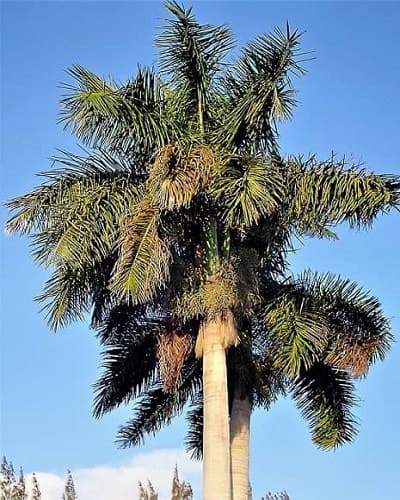 Roystonea regia - the Royal
Royal palms are one of the signature landscape trees of Miami.
After 1896, when Miami was incorporated, developers encouraged people to move to town. Royal Palms were planted along major thoroughfares specifically for city beautification.
Known for their smooth gray trunks, Royals have a dark green area at the top called a crownshaft. Many Miami major roadways, entrance-ways, parks, and luxury properties include these palms in the landscape. Their height (up to 100ft/30.5m tall!) and symmetry embellish areas with a dramatic balmy look.
Would You Like to Try Planting a Royal Palm Seed for eventual transplanting onto your property?
Sabal Palms
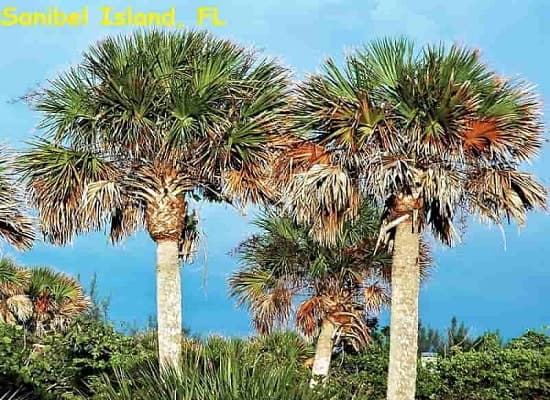 Sabal palmetto
The Sabal Palm is Florida’s state tree. Seems natural then, that it's found throughout the Miami area. You'll see them in natural areas, as well as in urban landscaping.
Although it has a more rugged appearance than some tropical species, it handles storms and changing conditions well.
Would you like to Have One of Your Own?
Date Palms and Canary Island Date Palms
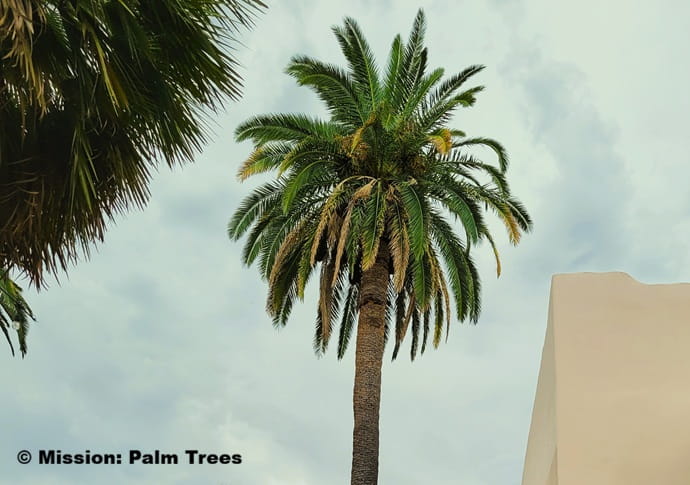
Several date palm species appear throughout Miami landscapes. These palms are valued for their thick bold trunks and pleasant architectural shape.
Canary Island date palms are especially noticeable in upscale developments and public spaces. A very majestic looking palm with its flat diamond shaped trunk pattern, and a full round crown.
Both of these palms are suitable for more arid climates as well.

Foxtail and Areca Palms
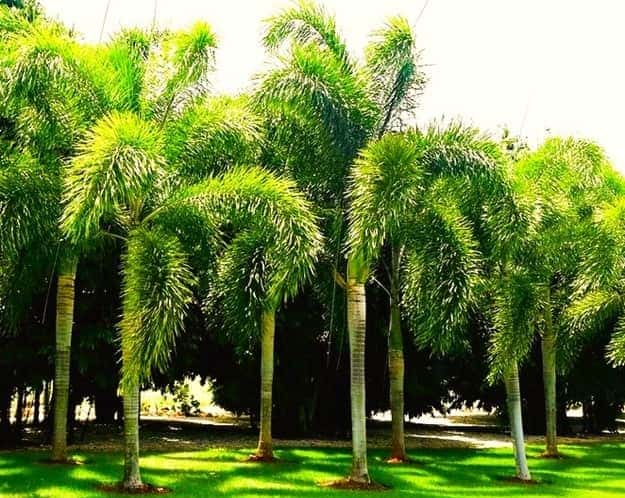
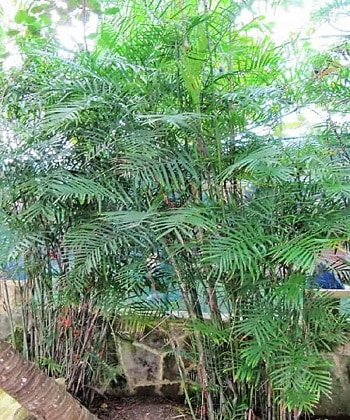
Many modern Miami neighborhoods use foxtail and areca palms because of their ornamental appearance and fast growth.
Foxtails are stunning, with their thick fronds. Areca palms are sometimes used as privacy screens around homes and resorts.
Where Palm Trees Shape the Miami Landscape
Palms have been central to Miami's identity from the beginning of its development as a city. We can't truly separate the city's founding from these signature trees.
Palm-Lined Beaches and Waterfront Areas
Graceful palms define Miami’s coastal scenery.
Tropical palm species, like The Coconut Tree line many beach areas, parks, and waterfront roads. All adding to that relaxed summery atmosphere the city is noted for. Great price, and the beach is one block away - Schedule This One for Yourself!
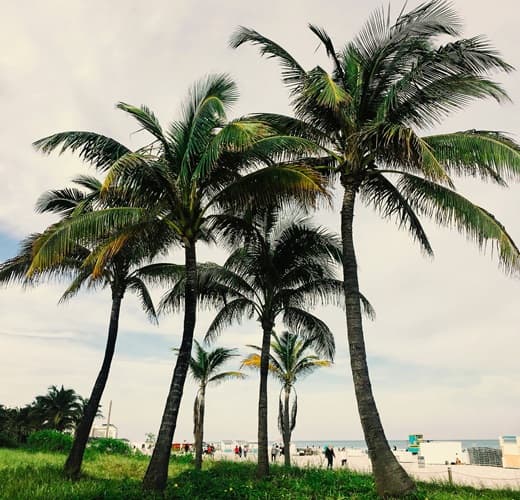 Coconut palms along a grassy area of a Miami beachfront park.
Resorts, Hotels, and Luxury Neighborhoods
High-end landscapes, like the Hotel Royal Palm in Miami, place palms on their property for a deluxe, lush tropical appearance.
Miami Hotels, shopping districts, and Residential Communities frequently use large specimen Palms as Focal Points.
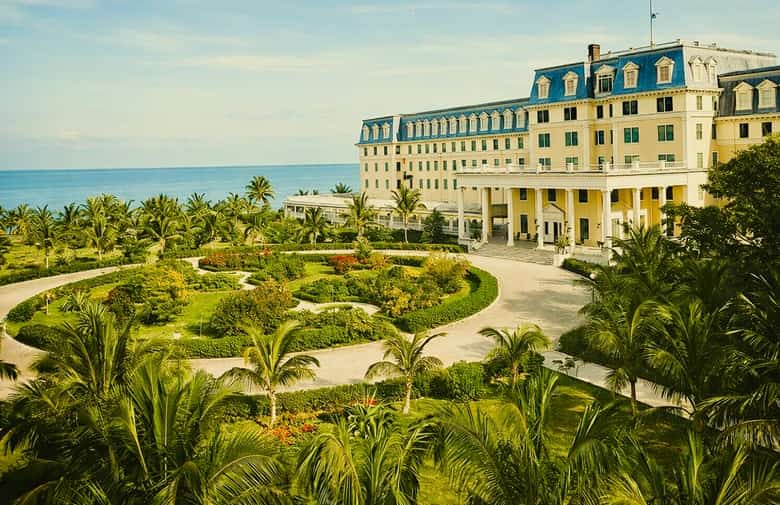 Colorized 1901 photo of the Hotel Royal Palm in Miami. Swimming in palms!
Residential Landscaping Across South Florida
During Miami's 1920s real estate boom, palm-lined streets were the major selling point for living around the city.
Many of Miami's common palms were planted in these new neighborhoods. Aiming to promote Miami as a tropical paradise to Northern buyers.
Miami homeowners today use palms in various ways.
- Bushy medium sized palms for shade.
- Short clustering palms for privacy screens.
- Beautiful palms as decorative accents.
All assist with setting the tone for the city's aesthetic identity.
Why Miami Supports More Palm Species Than Most US Cities
It began with The Royal Palm Society, active in the early 20th century.
Playing a role in promoting and preserving native and ornamental palms throughout South Florida. An environmental crusade led by the Florida Federation of Women's Clubs (FFWC).
Conservationists like Edith Gifford and Mary Barr Munroe and other members wanted to protect "Paradise Key" from rapid South Florida development. It was home to the nation's largest native stand of royal palms.
Their efforts led to Royal Palm State Park in 1915. The FFWC deeded the park acreage to the U.S. government in 1947. This led to it subsequently being Everglades National Park. All to help conservation of Miami area palms.
You Can Visit the Area, and Secure a Clean Place to Stay Nearby.
What are the natural factors that enable palms to do well in Miami?
USDA Zones 10B & 11 | Oceans | Growing Season
 Not enjoying humid days.
The Miami area falls within USDA Zones 10B and 11. The warmest growing zones in the continental United States. Winter temperatures typically stay well above 35oF/1.7oC. With severe freezing spells rarely coming around, that's normally as cold as it then gets.
But along with that, it's quite humid all year round, ranging from 70%-90%, with high dew points.
But most palms love that. Unlike many Miami residents! That's why tropical palms easily survive outdoors there year-round.
Besides humidity and dew point, what else helps palms to thrive in the Miami area?
Ocean Influence Helps Moderate Temperatures
Large water surfaces like oceans and bays help reduce shoreline area temperature extremes. Miami is Situated on Biscayne Bay and close to the Atlantic Ocean. Coastal influence lowers freeze risk and helps stabilize the environment for tropical vegetation.
Long Growing Seasons Encourage Rapid Palm Growth
Palm trees in Miami can grow continuously for much of the year because of the region’s long warm season. Combined with regular rainfall and humidity, this leads to fast growth for many species.
The latest update


-
Where Are Palm Trees Native? Surprising to You?!
 Where are palm trees native? Were you wondering. Meaning where are they indigenous, endemic, or naturally originally from. You'll discover it!
Why Miami Began Rethinking Palm Trees
As Miami expanded, natural habitats containing native palms were diminished by roads, construction, and new developments. All while imported ornamental species became more common in the urban landscape.
In 2007 Miami-Dade County, which covers the city of Miami, released a master plan for urban forestry. Listing "Approved Trees."
Those visiting Miami expect palms all around. Along streets, at their resort, on beaches, etc. One place anyone won't find palms we've listed here - is on the City's list of approved trees.
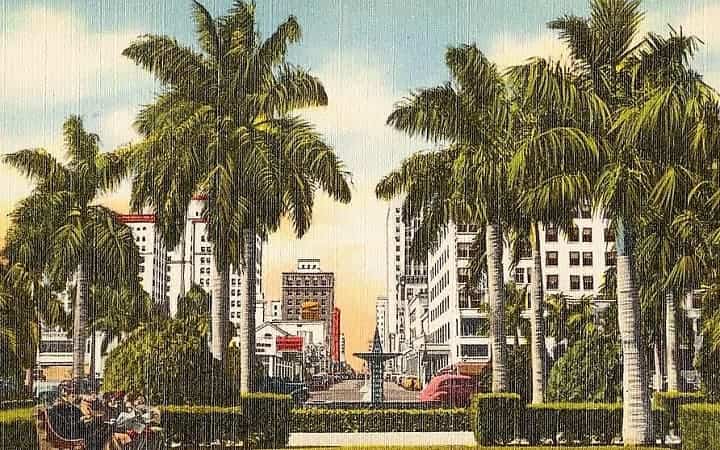 Vintage look at palm-treed Bayfront Park, that begins Flagler Street in Miami, FL
Appearing to anticipate complaints or questions, they put out a bulletin:
"While palms are aesthetically pleasing and look ‘tropical,’ they do not provide the same environmental benefits, walkable streets, or lower ambient temperatures as hardwood shade trees."
But Miami appears to have some second thoughts about their stance.
Here's the 2024 Word on Their Update
Here's the 2025 Word on Their Update
Los Angeles Palms were also involved in this dilemma. The city admitted palms are "aesthetically nice." Yet saying palms don't create healthier people environments.
Can We Agree AND Disagree?
We relate to their points.
We understand needing good shade. Some studies show "shady" palms have an inverse relationship to their water need, compared to popular "shade trees." Which on average use less water, while cooling their immediate area by 3-7oF.
Cities tend to be "Heat Islands." Is that the palms' fault?
No: Because cities have lots of ground-covering concrete, blacktop & macadam. Buildings are closely set, not leaving much room for cooling green plants!
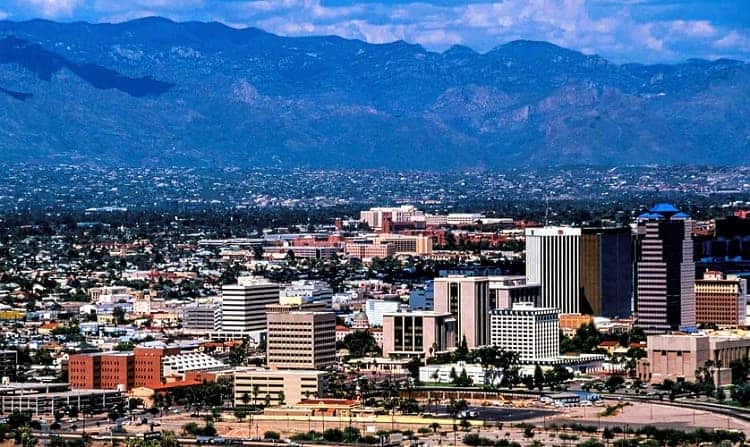 Tucson Arizona, where we live, has many areas that can be made more "green."
Phoenix is larger than Tucson & an even worse Heat Island.
How about more green?! Get creative with land donation incentives, using infrastructure if possible - funding that had been allowed, applying for grants, etc. To tamp down cities' unnatural heating.
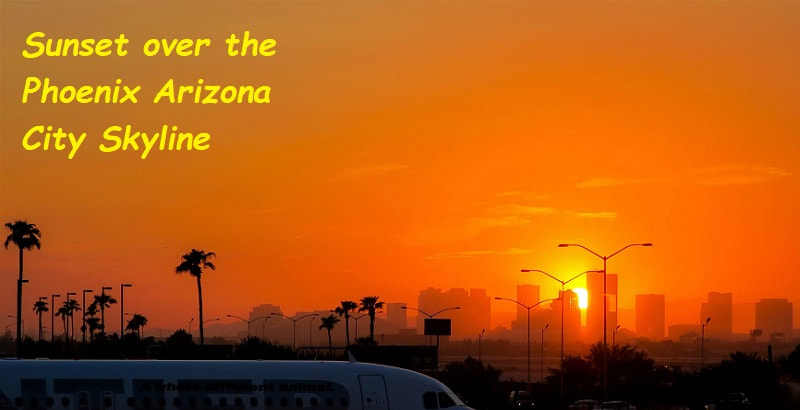 Phoenix - Setting Heat Records! More Lately Than in the Past
One Solution: Consider the Palm Landscaping
In cities, people use palms in their private Landscapes Designs.
Now it's even more important to design with appropriate water use & shade provision. We'll quote a rare plant nursery owner, it's quite applicable.
Flora Grubb says
"...I adore palm trees. When used correctly, when designed into a garden with skill, palms do their jobs so well."
We love palms, and agree with using them skillfully & appropriately. To avoid palms being part of the heating-up problem.
Like any plant, palm fronds take up carbon dioxide and make oxygen, helping air quality. And not all palms guzzle water.
Your best selections in Florida are medium-height palm trees, with dense, wide crowns. Like the Foxtail Palm, Chinese Fan Palm, King Palm & the Bismarck Palm.
See More About Palm Trees vs. The Environment>
Miami Palm Trees Compared to Other Cities
Are other Florida cities different than Miami for growing palms easily? Or how about other cities where palms do grow?
Miami vs Orlando Palm Trees
Miami supports more tropical palm species than Orlando because winter temperatures stay warmer.
Some palms common in Miami would struggle during colder Central Florida winters. The USDA Climate Zone in Orlando is 10a. Where the low temperature can get down to 30oF/-1.1oC. Frostier days have occurred more often In Orlando Florida than Miami.
Miami vs Tampa Palm Trees
Although Tampa has many palms, Miami’s tropical climate allows for greater diversity and more reliable coconut palm growth.
Tampa is in Zone 10a, just like Orlando. That may seem a bit surprsing that's so, since Tampa Floria is Somewhat Farther South, and is on a bay and near the Gulf of Mexico. But that's what the USDA Climate Zone Finder reports.
Miami vs Southern California Palms
Both regions are famous for palms, but Miami’s humid tropical climate creates denser green growth while Southern California landscapes tend to be drier, and more Mediterranean-like, with low humidity.
Southern California is more suited for drought tolerant palms, like The California Fan Palm. We've published articles about palms in So-Cal:
- See the range of Palms in California>
- You've probably heard about those Tall Palms in Los Angeles>
- And San Diego is a Wonderful Place for Palms>
REFERENCES
USDA Plant Hardiness Zone Map
ccmedia.fdacs.gov
University of Florida (2025, Aug 7). Florida Palms retrieved from sfyl.ifas.ufl.edu/
Riffle, R.L. (2008) Timber Press Pocket Guide to Palms
Palmpedia, palmpedia.net/wiki/index.html
Meerow, A.W. (2002). Betrock's Guide to Landscape Palms
UF Gardening Solutions (nd) Coconut Palm. UF| IFAS Extention. Retrieved from gardeningsolutions.ifas.ufl.edu/plants/trees-and-shrubs/palms-and-cycads/coconut-palm/
Coral Gables (2026). About Coral Gables. Retrieved from coralgables.com/department/communications-and-public-affairs/about-coral-gables
Landscape Palms (2020, Jan 24). Fallen Palms. University of Florida. Retrieved from hos.ifas.ufl.edu/woody/fallen-palms.shtml
Landscape Palms (2020, Jan 24). Royal Palms. University of Florida. Retrieved from hos.ifas.ufl.edu/woody/palms-royal.shtml
Frequently Asked Questions About Miami Florida Palm Trees
What palm tree is most common in Miami?
What palm tree is most common in Miami?
The most common palm seen around Miami is the coconut palm (Cocos nucifera). You could say they're present everywhere.
Yet royal palms (Roystonea regia) and sabal palms (Sabal palmetto - the Florida state tree) are also widely planted throughout the city. Coconut palms became very popular because Miami’s warm coastal climate closely matched tropical growing conditions that they need.
If you're overwhelmed by all the palms in Miami's roadways, you'll See Why Coconut Palms are so Perfectly Suited there.
Can coconut palms grow naturally in Miami?
Can coconut palms grow naturally in Miami?
Yes, although they're not native to the area, Coconut palms can grow naturally there.
Coconut Palms Need to Grow in Tropical Climates that have high humidity and warm temperatures. That's a perfect description of the weather in Miami. The city's even better because of the coastal conditions they prefer.
They're commonly found throughout Miami, and much of South Florida as well.
Why does Miami have so many palm trees?
Why does Miami have so many palm trees?
Miami has so many palm trees because the region’s tropical climate allows palms to prosper year-round.
But not only that, palms also strongly associated with South Florida tourism, luxury landscaping, and coastal identity during Miami’s rapid development in the 20th century. Here's the Overall Picture of Why So Many Palms.
Are palm trees native to Miami Florida?
Are palm trees native to Miami Florida?
Some are native, but many are imported from other tropical regions.
Florida has several native palm species, including the sabal palm and royal palm. But many palms commonly planted in Miami - such as coconut palms - are non-native.
Non-native palms were brought to Florida for tropical beautification purposes. Those brought in for cultivation were palms that do well in the same type of climate that Miami has.
What is the famous palm tree street in Miami?
What is the famous palm tree street in Miami?
One of the most famous, modern palm-lined streets in Miami is Ocean Drive in Miami Beach.
Another iconic location is the entrance to Coral Gables, known for its rows of royal palms along scenic boulevards. Bordering Miami, it's also home to the ageless Biltmore Hotel.
Historically, downtown areas near Bayfront Park and Flagler Street were also widely known for their palm-lined tropical scenery featured in Vintage Miami Postcards. Modern development, updates to transit, and revising streetscapes changed much of the original appearance.
Do hurricanes destroy palm trees in Miami?
Do hurricanes destroy palm trees in Miami?
Hurricanes can damage palm trees, especially by breaking off fronds or uprooting weaker species.
However, many palms are naturally adapted to strong winds because of Palms' Sturdy Structure. Videos of palms bending in the wind circulate widely when hurricanes come to Florida. So palms are not actually destroyed in a hurricane.
Some species - such as sabal palms and royal palms - are better known for hurricane resistance than are many broadleaf trees.
See the Construction of Palms to see why this is true.
What USDA zone is Miami for palm trees?
What USDA zone is Miami for palm trees?
Miama has the warmest USDA Zones in the United States, excluding Hawaii, Puerto Rico and South Pacific Territories. That's only zone 10b and zone 11.
Many palms grow easily and well in Miami's planting zone, which is why you'll see many species of palms in Miami. Even a Comparison of Other Cities Shows the warmth of Miami.
Takeaways for Miami Florida Palm Trees
Miami Florida has a strong history of planting palms that are suited to the climate. And that's why Miami is one of the typical tropical places for a great vacation.
You might like these
Landscaping Around a Palm Tree that Looks Polished
Landscaping around a palm tree is easier with layered plants, edging, color, and climate-smart ideas that make one standout palm feel finished.
Where Do Palm Trees Grow? Maybe More Places Than You Thought!
Wondering where do palm trees grow? For sure it's the tropics & subtropics. They're more versatile than that, though. Even doable for temperate regions.
Where Are Palm Trees Native? Surprising to You?!
Where are palm trees native? Were you wondering. Meaning where are they indigenous, endemic, or naturally originally from. You'll discover it!


About the Authors: Karen McGowan is the creator of MissionPalmTrees.com, and The Palm Species Navigator, along with her husband Bill. Where they share easy to read palm tree expertise gained from years of finding and studying palms in varied climates. So readers will know palms, and can avoid costly palm planting mistakes. Learn more.
We Love Arizona Where Palm Trees Grow & We Love Helping Others Appreciate Them Too!
Member of Local First Arizona - Supporting Local Businesses Wherever They Are!
Privacy Policy> | Terms/Conditions/CC Licenses> | Advertising Disclosure> | Contact Us>
Copyright © 2022 - MissionPalmTrees.com All Rights Reserved

Do Not Copy - No use is permitted without permission. Scraping the contents of MissionPalmTrees.com website for the purpose of AI (artificial intelligence) LLM (large language model) training is strictly forbidden. Mission: Palm Trees Name & Logo Registered in the U.S. State of Arizona
As an Amazon Affiliate we earn from qualifying purchases.
A Production of Picture Rocks Networking LLC
This site is protected under U.S. and International copyright laws.