- Home
- How Palms Grow
- Palms Loved & Hated
- Oil Palms
Palm Oil Plantations | Major Palm Controversy?
Are Oil Palm Plantations a double-edged sword?
The African Oil Palm (Elaeis guineensis) is a cash-crop palm grown in the tropics of Africa, Southeast Asia, and Latin America. Oil is squeezed from this palm's fruit, for use in many products. It's become a mainstay industry for those economies.
But there have been environmental and social controversies.
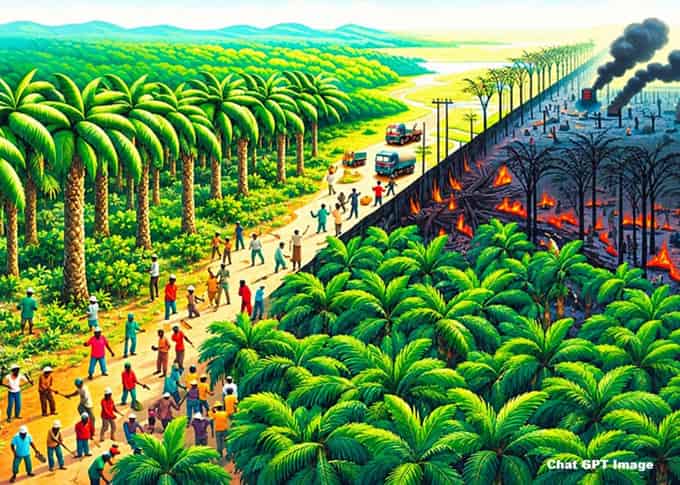 Many Controversies Here
Feeling overwhelmed by palm tree problems or confusing information?
You’re not alone! At Mission: Palm Trees, we help everyday palm lovers grow, care for, identify & enjoy palms without baffling jargon or exhausting research.
We do the Authentic Research by cross-checking botanical data, while making palm tree info interesting & more fun to know.
How Usage of Palm Oil Goes Worldwide
Together Indonesia & Malaysia process about 85% of the world's palm oil. The remaining producers are in African & South American countries. Even Middle-Eastern areas.
Palm oil is found in about half of supermarket products, worldwide. In cosmetics, cleaning products, food, and even biofuel. Plus in everyday goods you wouldn't imagine would have it!
Oil Palms produce loads of fruit. They're processed for oil. The African Oil palm is actually an extremely productive oil crop. It produces more oil per unit of land than other major vegetable-oil crops. But that productivity, we'll see, comes with a serious catch.
The Palm Oil Economic Impact
For countries producing palm oil, it's a main source economic stability. Because of jobs, exporting & more, by large plantations and small farmers.
Many families depend on the oil for their livelihood. But problems surrounding palm oil can impact each of these families. Options for reducing and/or eliminating concerns are in the works.
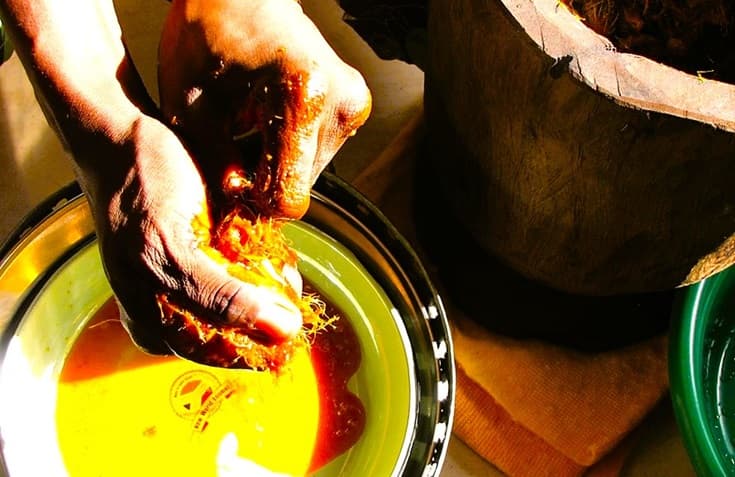 Hand Production of Palm Oil by Small Family Farmer
Why Is Palm Oil So Controversial?
Palm oil itself isn't the villain. The problem is what can happen when tropical forests are cleared to grow it. Plantations have been enlarging, more plantations have been opening - all for that monetary benefit.
The problem is environmental problems come along with their expansion methods.
Tropical rainforests are natural homes for Oil Palm Trees. Along with masses of valuable diverse plant life. Natural forests have been cleared to make room for huge oil-palm plantations.
When a complex rainforest is replaced by many rows of one single crop, the landscape may still look green - but its rainforest character has changed. The deforestation threatens native flora and fauna. Many plants, insects, birds and mammals lose the habitat they need to survive.
These enormous plantations destroy local plant diversity, changing it to Elaeis guineensis palms, row after row. Clearing forests releases stored carbon into the atmosphere, while draining peatlands can produce additional greenhouse-gas emissions and make the land more susceptible to devastating fires.
The consequences can extend beyond wildlife. Plantation expansion can affects local and Indigenous communities. They depend on versatile forests and their products.
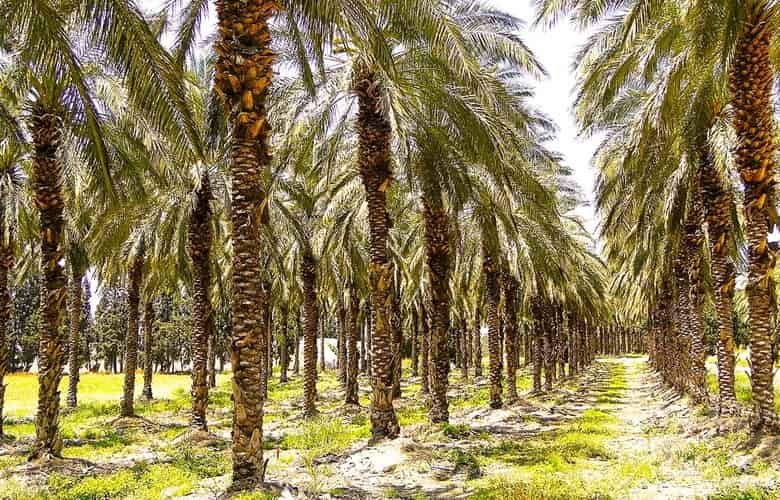 Palm Oil Plantation in Galilee, Israel
Three Social and Ethical Issues
These issues can stain the industry's reputation:
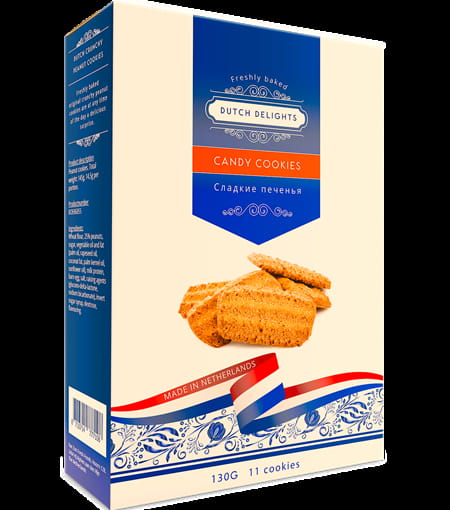 Dutch Delights Palm Oil Cookie Product
- They've used pressure to get needed lands, which ends up displacing local communities.
- Although many jobs are created, people complain about dangerous working conditions, low wages, and even using children for labor.
- What about health when Using Palm Oil in Foods? Many studies show benefits, but others find it may raise bad cholesterol.
How Sustainable Palm Oil Lives Amidst Controversy
Palm oil is complicated. The environmental problems are real - but so are the potential solutions.
Can economic growth coordinate with environmental preservation? It's up to the industry to advance methods, respecting ecosystems while promoting ethics in economic development.
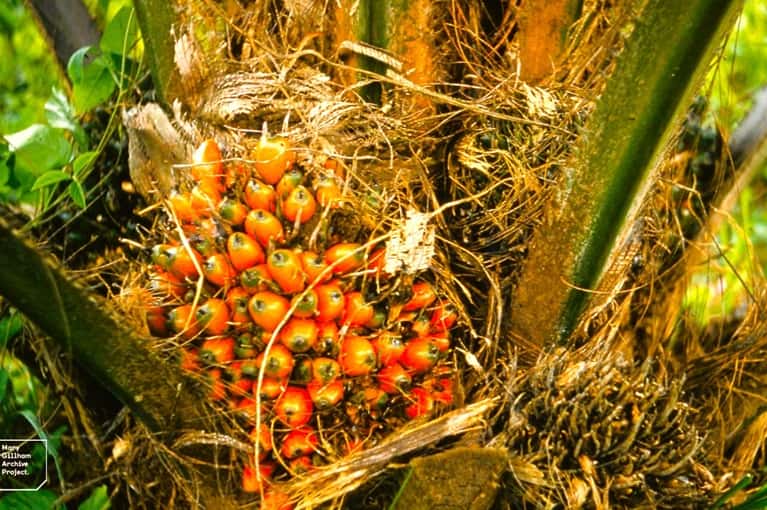 Oil Palm Fruits Ready for Harvest
Another Side to the Story of Palm Oil Plantations
Simply saying "ban palm oil" doesn't solve the problem.
Because oil palms produce so much oil from relatively little land, replacing it with other crops (soybean, sunflower, rapeseed - see chart below) could require remarkably more agricultural land. The environmental damage would simply move elsewhere.
| Plant | Common Oil | How It Compares With Oil Palm |
|---|---|---|
| Soybean Glycine max |
Soybean oil | Much more land is required to produce the same amount of oil. Soy production can also create major biodiversity concerns where natural vegetation is replaced. |
| Rapeseed / canola Brassica napus and related species |
Canola / rapeseed oil | Much lower oil yield per acre than oil palm. Fertilizer use can also be significant. |
| Sunflower Helianthus annuus |
Sunflower oil | Much lower oil yield than oil palm, meaning considerably more land may be needed. Water and fertilizer requirements can also be substantial, depending on where it is grown. |
| Coconut Cocos nucifera |
Coconut oil | Very low oil yield per hectare compared with oil palm. Coconut production can also have biodiversity impacts. |
| Peanut / groundnut Arachis hypogaea |
Peanut / groundnut oil | Much lower oil yield than oil palm, so producing the same amount of oil requires substantially more agricultural land. |
| Olive Olea europaea |
Olive oil | Very low oil yield compared with oil palm. Olive production can also have a particularly high water footprint in some regions. |
| Corn / maize Zea mays |
Corn oil | Oil is a relatively minor product of the crop, which is grown primarily for other uses. It is therefore not a direct equivalent to an oil crop such as oil palm. |
| Cotton Gossypium spp. |
Cottonseed oil | Oil is a byproduct of cotton production rather than the principal reason for growing the crop. Cotton itself can have significant water, pesticide and land-use impacts. |
A note about comparisons: Environmental impacts vary greatly depending on where and how each crop is grown. Oil palm has a very high oil yield per hectare, so replacing palm oil with another vegetable oil can require considerably more agricultural land. That does not mean palm oil is automatically the more environmentally friendly choice; clearing rainforest or peatland for an oil-palm plantation can have severe environmental consequences.
So the better question isn't really "How do we get rid of palm oil?"
It seems it could be: "How do we produce the palm oil we need without destroying forests, wildlife habitat and communities?"
That means preventing new plantations from replacing natural ecosystems, improving existing plantations, protecting biodiversity and demanding greater accountability throughout the palm-oil supply chain.
What if:
- Palm oil can be produced responsibly? With efficient, yet eco-friendly growth.
- Sustainable practices are studied? That's been going on now. Coming up with evidence-based benefits the industry can use.
- Certifications for producers are established? Showing that producers follow environmental protections, and respect their workers. But are these effective? They've begun, but the debate goes on.
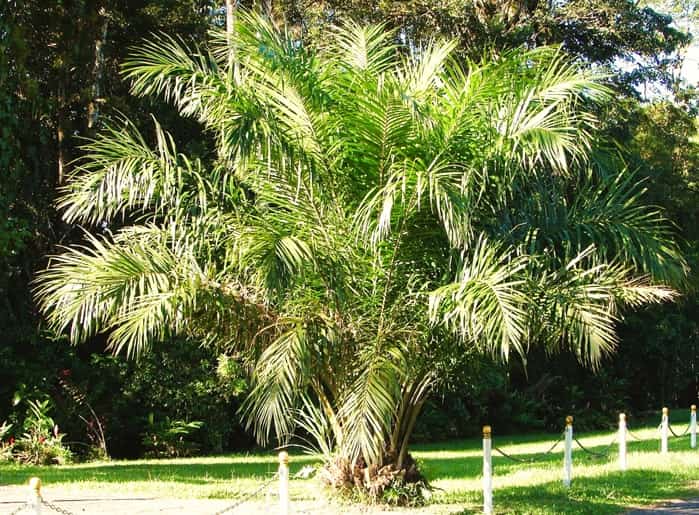 Young African Oil Palm Growing as an Ornamental in a Park Setting
REFERENCES:
Meijaard, E. et al. (eds.) (2018). Oil palm and biodiversity. A situation analysis by the IUCN Oil Palm Task Force. IUCN Oil Palm Task Force Gland, Switzerland: IUCN.
Ritchie, Hannah (2021) - “Palm Oil” Published online at OurWorldinData.org. Retrieved from: 'https://archive.ourworldindata.org/20260910-012235/palm-oil.html' [Online Resource] (archived on September 10, 2026).
Issues Brief (2024, May) Vegetable oils and biodiversity. IUCN retrieved from https://iucn.org/resources/issues-brief/vegetable-oils-and-biodiversity
Frequently Asked Questions About Oil Palms on Plantations
Why are palm-oil plantations controversial?
Why are palm-oil plantations controversial?
Palm-oil plantations are problematic because expanding them has sometimes involved clearing tropical forests and other natural habitats. It brings wildlife habitat destruction, reduces biodiversity, releases stored carbon, and affects local communities.
Does palm oil cause deforestation?
Does palm oil cause deforestation?
It has, because some regions, tropical forests and peatlands were cleared or drained to form oil-palm plantations. But the deforestation for palm oil production does vary by region.
It's more accurate to say that oil-palm expansion causes major deforestation in some tropical areas. Rather than saying all palm oil causes deforestation.
How do palm-oil plantations affect wildlife?
How do palm-oil plantations affect wildlife?
Replacing a tropical forest with massive rows of oil-palms greatly minimizes habitat types used by many species. Forest-dependent animals such as gibbons and tigers are affected when their terrain is cleared.
An important specific example is how orangutans are affected. They depend on trees and the native plants. Also with diminishing habitat, orangutans wander closer to people and farming areas, increasing the potential for human-wildlife conflict.
Do palm-oil plantations contribute to climate change and fires?
Do palm-oil plantations contribute to climate change and fires?
They could.
When forests or carbon-rich peatlands are cleared or drained, carbon is released into the air. Diminishing stored quantities in vegetation and soils.
Also when peat bogs are drained, drying out, the peat becomes vulnerable to fire. This explains its association with large, spreading fires. Which produce enormous amounts of smoke and greenhouse-gas emissions.
Are all palm-oil plantations bad for the environment?
Are all palm-oil plantations bad for the environment?
No. Where and how oil palm is grown makes a major difference.
Plantations established on already-cleared land has a very different environmental impact than do plantations that replace primary rainforest or peatland.
Those with better management protect waterways, retain natural vegetation and reduce harm to wildlife.
Is palm oil actually worse for the environment than other vegetable oils?
Is palm oil actually worse for the environment than other vegetable oils?
There isn't a simple yes-or-no answer.
Palm oil can cause severe environmental damage, particularly when rainforest or peatland is cleared for plantations. But oil palm is much more productive than most competing oil crops, like soybean, sunflower, canola, olive oils, and others.
Eliminating palm oil could reduce some impacts, but replacing its production with less productive oil crops could require much more agricultural land. A major goal is then preventing further conversion of natural ecosystems and improving the sustainability of current palm oil production.
So replacing palm oil for another oil product normally needs much more land. The actual environmental impact depends on the crop, the location, farming practices and which land was used to grow it.
What can be done to make palm-oil production more sustainable?
What can be done to make palm-oil production more sustainable?
Some important steps are:
- Preventing plantations from replacing natural forests and peatlands.
- Improving management of existing plantations, and reducing pollution.
- Protecting important wildlife habitat.
- Improving labor and community practices.
Consumers, governments and companies all have roles to play.
Takeaways for Palm Oil Plantations
Market purchase & investment choices can influence the oil palm industry. Avoiding palm oil products could encourage producers to further sustainable & humane practices. To coordinate economic benefits with environmental & social principles.
We were surprised that some products we use contain palm oil. Have you ever noted products you use contain palm oil?

About the Authors: Karen McGowan is the creator of MissionPalmTrees.com, and The Palm Species Navigator, along with her husband Bill. Where they share easy to read palm tree expertise gained from years of finding and studying palms in varied climates. So readers will know palms, and can avoid costly palm planting mistakes. Learn more.
Don't Miss It: The Right Palm, The Right Place
Our free quick-reference guide is yours! So you can stop guessing which species will survive your local climate.
Along with that, the Palm Species Navigator for tips on species hardiness, seasonal care, and more. Click to enter your email & get your guide.
We Love Arizona Where Palm Trees Grow & We Love Helping Others Appreciate Them Too!
Member of Local First Arizona - Supporting Local Businesses Wherever They Are!
Privacy Policy> | Terms/Conditions/CC Licenses> | Advertising Disclosure> | Contact Us>
Copyright © 2022 - MissionPalmTrees.com All Rights Reserved

Do Not Copy - No use is permitted without permission. Scraping the contents of MissionPalmTrees.com website for the purpose of AI (artificial intelligence) LLM (large language model) training is strictly forbidden. Mission: Palm Trees Name & Logo Registered in the U.S. State of Arizona
As an Amazon Affiliate we earn from qualifying purchases.
A Production of Picture Rocks Networking LLC
This site is protected under U.S. and International copyright laws.